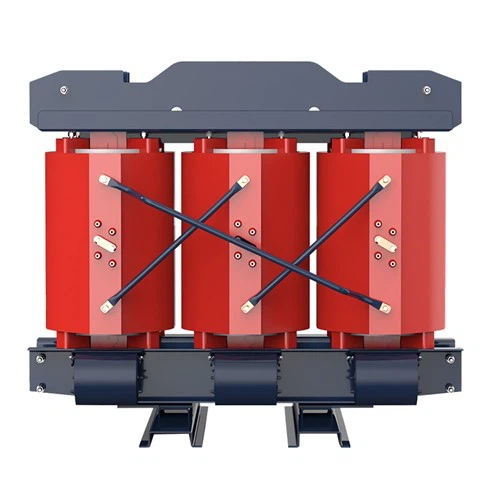
Hey there! As a supplier of dry type transformers, I've seen firsthand how electromagnetic interference (EMI) can be a real pain in the neck for these nifty pieces of equipment. In this blog, I'm gonna break down what EMI issues a dry type transformer might face, why they matter, and how we can deal with 'em.
What is Electromagnetic Interference?
Let's start with the basics. Electromagnetic interference is basically unwanted electromagnetic noise or signals that can mess with the normal operation of electrical devices. It can come from all sorts of sources, like radio waves, power lines, and even other electrical equipment. When it comes to dry type transformers, EMI can cause a whole bunch of problems, from reduced efficiency to complete malfunctions.


Sources of EMI in Dry Type Transformers
There are several sources of EMI that can affect dry type transformers. One of the most common is the transformer itself. When a transformer is operating, it generates magnetic fields that can interfere with other electrical devices in the vicinity. This is especially true for high-power transformers, which can produce strong magnetic fields that can travel long distances.
Another source of EMI is the power grid. Power lines can carry electromagnetic signals that can interfere with the operation of dry type transformers. These signals can be caused by a variety of factors, such as lightning strikes, power surges, and electrical faults.
Finally, external sources of EMI can also affect dry type transformers. For example, radio transmitters, cell phone towers, and other electronic devices can emit electromagnetic signals that can interfere with the operation of the transformer.
Effects of EMI on Dry Type Transformers
The effects of EMI on dry type transformers can be significant. One of the most common effects is reduced efficiency. When a transformer is exposed to EMI, it can cause the transformer to operate less efficiently, which can result in increased energy consumption and higher operating costs.
Another effect of EMI is increased noise levels. When a transformer is exposed to EMI, it can cause the transformer to produce more noise than normal. This can be a problem in residential areas or other locations where noise levels need to be kept to a minimum.
In addition to reduced efficiency and increased noise levels, EMI can also cause damage to the transformer. When a transformer is exposed to high levels of EMI, it can cause the insulation on the transformer windings to break down, which can lead to short circuits and other electrical problems.
How to Deal with EMI Issues in Dry Type Transformers
So, what can be done to deal with EMI issues in dry type transformers? There are several strategies that can be used to reduce the effects of EMI on dry type transformers.
One strategy is to use shielding. Shielding involves placing a conductive material around the transformer to block electromagnetic signals from reaching the transformer. This can be an effective way to reduce the effects of EMI, but it can also be expensive and difficult to install.
Another strategy is to use filters. Filters can be used to remove unwanted electromagnetic signals from the power supply before they reach the transformer. This can be an effective way to reduce the effects of EMI, but it can also be expensive and may require regular maintenance.
Finally, it's important to choose the right location for the transformer. When installing a dry type transformer, it's important to choose a location that is away from sources of EMI, such as power lines, radio transmitters, and other electronic devices. This can help to reduce the effects of EMI on the transformer and ensure that it operates efficiently and reliably.
Our Dry Type Transformers and EMI
At our company, we understand the importance of dealing with EMI issues in dry type transformers. That's why we offer a range of dry type transformers that are designed to minimize the effects of EMI.
Our 10-35KV Dry Type Distribution Transformer and 35KV Dry Type Power Transformer are both designed with advanced shielding and filtering technologies to reduce the effects of EMI. These transformers are also built with high-quality materials and components to ensure that they operate efficiently and reliably.
In addition to our advanced design and construction, we also offer a range of services to help our customers deal with EMI issues in their dry type transformers. Our team of experts can provide installation, maintenance, and repair services to ensure that your transformer is operating at its best.
Conclusion
Electromagnetic interference can be a real problem for dry type transformers. It can cause reduced efficiency, increased noise levels, and even damage to the transformer. However, by using shielding, filters, and choosing the right location for the transformer, it's possible to reduce the effects of EMI and ensure that the transformer operates efficiently and reliably.
If you're in the market for a dry type transformer, we encourage you to consider our products. Our 10-35KV Dry Type Distribution Transformer and 35KV Dry Type Power Transformer are both designed to minimize the effects of EMI and provide reliable performance. Contact us today to learn more about our products and services and to discuss your specific needs.
References
- "Electromagnetic Interference in Electrical Systems." IEEE Transactions on Electromagnetic Compatibility.
- "Transformer Design and Application." McGraw-Hill Professional.
- "Power System Electromagnetic Compatibility." John Wiley & Sons.