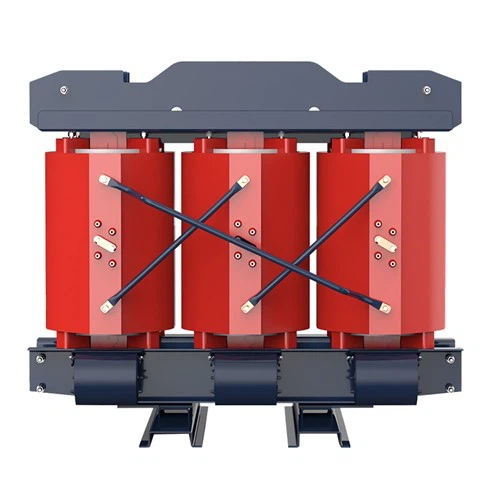
Hey there! I'm a supplier of prefabricated substations, and over the years, I've seen firsthand how crucial proper ventilation is for these units. In this blog, I'll share some tips and tricks on how to make sure your prefabricated substation has the right airflow to keep everything running smoothly.
Why is ventilation important?
First off, let's talk about why ventilation is such a big deal. Prefabricated substations house a bunch of electrical equipment that generates heat when it's in use. If this heat isn't properly dissipated, it can lead to a whole host of problems. For starters, high temperatures can reduce the lifespan of your equipment. The electrical components are designed to operate within a certain temperature range, and when that range is exceeded, the materials can degrade faster, leading to more frequent breakdowns and costly repairs.
Secondly, excessive heat can also pose a safety risk. It can increase the likelihood of electrical fires, which is obviously a huge concern. And let's not forget about the impact on performance. When the equipment gets too hot, it may not function as efficiently as it should, leading to power outages or reduced power quality. So, proper ventilation is essential for the longevity, safety, and performance of your prefabricated substation.
Types of prefabricated substations and their ventilation needs
There are different types of prefabricated substations, and each has its own unique ventilation requirements. For example, the Solar Power Compact Substation is designed to work with solar power systems. These substations often have a lot of electronic components that are sensitive to temperature. They may also be located in outdoor environments where they're exposed to direct sunlight, which can further increase the heat inside the substation.
On the other hand, the Containerized Prefabricated Substation is housed in a container, which can provide some insulation. However, this also means that the heat can get trapped more easily. These substations often need a well - designed ventilation system to make sure the air can circulate properly and remove the heat.
Design considerations for ventilation
When it comes to designing the ventilation system for a prefabricated substation, there are several factors to consider.
Location and layout
The location of the substation can have a big impact on ventilation. If it's placed in an area with limited airflow, like between large buildings or in a corner, it may be more difficult to achieve proper ventilation. You need to make sure there's enough space around the substation for the air to flow freely.
The layout inside the substation is also important. You should arrange the equipment in a way that allows for easy air circulation. For example, don't stack equipment too closely together, as this can block the airflow. Leave some space between the different components to create channels for the air to move through.
Ventilation openings
The size and placement of ventilation openings are crucial. You need to have enough intake and exhaust openings to ensure a continuous flow of air. The intake openings should be located at a lower level to allow fresh, cool air to enter the substation. The exhaust openings, on the other hand, should be placed at a higher level. This is because hot air rises, and by placing the exhaust openings at a higher point, you can easily remove the hot air from the substation.
The size of the openings depends on the size of the substation and the amount of heat it generates. A general rule of thumb is to have a larger opening area for substations with more heat - generating equipment. You also need to make sure the openings are properly protected to prevent dust, debris, and pests from entering the substation. This can be done using mesh screens or louvers.
Ventilation fans
In some cases, natural ventilation may not be enough to keep the substation cool, especially if it's located in a hot climate or has a lot of high - power equipment. That's where ventilation fans come in. Fans can help to increase the airflow and improve the efficiency of the ventilation system.
You can choose between exhaust fans and intake fans. Exhaust fans are used to remove the hot air from the substation, while intake fans bring in fresh, cool air. It's often a good idea to use a combination of both to create a balanced ventilation system. Make sure to select fans with the right capacity for your substation. You don't want to have a fan that's too small, as it won't be able to move enough air, but you also don't want one that's too large, as it can be wasteful.
Maintenance of the ventilation system
Just installing a good ventilation system isn't enough; you also need to maintain it regularly.


Cleaning
The ventilation openings, fans, and ducts can get clogged with dust, dirt, and debris over time. This can reduce the efficiency of the ventilation system and lead to overheating. You should clean the ventilation openings and screens at least once a month to make sure they're free from any blockages.
For the fans, you need to clean the blades and motor regularly. Remove any dust or dirt that has accumulated on them. You can use a soft brush or compressed air to clean the hard - to - reach areas.
Inspection
Regularly inspect the ventilation system for any signs of damage. Check the fans to make sure they're running smoothly and that the motors aren't overheating. Look for any cracks or leaks in the ducts or ventilation openings. If you notice any problems, it's important to fix them as soon as possible to prevent further damage.
Filter replacement
If your ventilation system has filters, make sure to replace them according to the manufacturer's recommendations. Filters can trap dust and other contaminants, but over time they become saturated and need to be replaced. A dirty filter can restrict the airflow and reduce the efficiency of the ventilation system.
Monitoring the ventilation system
It's also a good idea to monitor the ventilation system to make sure it's working properly. You can use temperature sensors to measure the temperature inside the substation. If the temperature starts to rise above the normal range, it could be a sign that the ventilation system isn't working as it should.
You can also use airflow sensors to measure the amount of air flowing through the substation. This can help you detect any blockages or problems with the fans. By monitoring the ventilation system, you can catch any issues early and take corrective action before they lead to serious problems.
Conclusion
Proper ventilation is essential for the safe and efficient operation of a prefabricated substation. By considering the design factors, maintaining the ventilation system regularly, and monitoring its performance, you can ensure that your substation stays cool and functions properly.
If you're in the market for a prefabricated substation or need help with the ventilation system for your existing one, don't hesitate to reach out. We're here to help you find the best solutions for your needs and ensure that your substation operates at its best.
References
- Electrical Equipment Ventilation Handbook
- Prefabricated Substation Design and Installation Guidelines