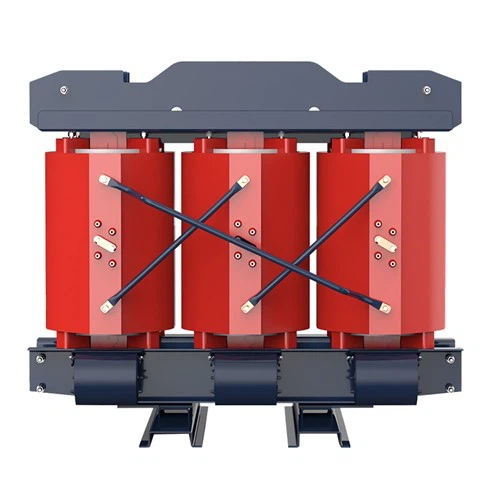
Switchgear plays a pivotal role in industrial facilities, ensuring the safe and efficient distribution of electrical power. As a switchgear supplier, I have witnessed firsthand the diverse applications and benefits that switchgear brings to various industries. In this blog, I will delve into the numerous applications of switchgear in industrial settings, highlighting its importance and the specific types of switchgear that are commonly used.
Power Distribution and Control
One of the primary applications of switchgear in industrial facilities is power distribution and control. Switchgear acts as a central hub for electrical power, receiving electricity from the main power source and distributing it to different parts of the facility. It allows for the control and isolation of electrical circuits, enabling operators to manage the flow of power and protect equipment from overloads, short circuits, and other electrical faults.


In large industrial plants, switchgear is used to distribute power to multiple departments, production lines, and machinery. It ensures that each area receives the appropriate amount of power and voltage, preventing damage to equipment and minimizing downtime. For example, in a manufacturing plant, switchgear can be used to control the power supply to different types of machines, such as motors, pumps, and compressors. By regulating the power flow, switchgear helps to optimize the performance of these machines and extend their lifespan.
Motor Protection and Control
Motors are widely used in industrial facilities for various applications, such as driving conveyor belts, operating pumps, and powering machinery. Switchgear plays a crucial role in protecting motors from electrical faults and ensuring their safe and efficient operation. Motor protection switchgear is designed to detect overcurrent, overvoltage, undervoltage, and other abnormal conditions that can damage motors. When a fault is detected, the switchgear automatically disconnects the motor from the power supply, preventing further damage and reducing the risk of fire or explosion.
In addition to motor protection, switchgear also provides control functions for motors. It allows operators to start, stop, and reverse the direction of motors, as well as adjust their speed and torque. This level of control is essential for optimizing the performance of motors and ensuring that they operate at their maximum efficiency. For example, in a water treatment plant, switchgear can be used to control the speed of pumps based on the water demand, reducing energy consumption and saving costs.
Lighting and HVAC Control
Lighting and HVAC (heating, ventilation, and air conditioning) systems are essential for creating a comfortable and productive working environment in industrial facilities. Switchgear is used to control and manage these systems, ensuring that they operate efficiently and effectively. Lighting switchgear allows for the control of individual lights or groups of lights, enabling operators to adjust the lighting levels based on the time of day, occupancy, and specific requirements. This not only saves energy but also improves the visibility and safety of the workplace.
HVAC switchgear is used to control the operation of heating, ventilation, and air conditioning systems. It allows for the regulation of temperature, humidity, and air quality, ensuring that the indoor environment meets the comfort and health standards of the facility. By optimizing the operation of HVAC systems, switchgear helps to reduce energy consumption and lower operating costs. For example, in a warehouse, switchgear can be used to control the ventilation system based on the temperature and humidity levels, preventing the growth of mold and mildew and protecting the stored goods.
Renewable Energy Integration
With the increasing adoption of renewable energy sources, such as solar and wind power, switchgear is becoming increasingly important in industrial facilities. Switchgear is used to integrate renewable energy systems into the existing electrical grid, ensuring the smooth and efficient transfer of power. It allows for the connection and disconnection of renewable energy sources, as well as the control and management of the power flow.
In a solar power plant, switchgear is used to connect the solar panels to the inverter, which converts the DC power generated by the panels into AC power. The switchgear also provides protection against overcurrent, overvoltage, and other electrical faults, ensuring the safe and reliable operation of the solar power system. In a wind farm, switchgear is used to connect the wind turbines to the grid, allowing for the transfer of power from the turbines to the main power network. It also provides control functions for the wind turbines, such as starting, stopping, and adjusting the pitch angle of the blades.
Types of Switchgear for Industrial Applications
There are several types of switchgear that are commonly used in industrial facilities, each with its own unique features and applications. Some of the most common types of switchgear include:
- Low Voltage Switchgear: Low voltage switchgear is used for applications where the voltage is below 1000 volts. It is typically used in small to medium-sized industrial facilities, such as factories, warehouses, and commercial buildings. Low voltage switchgear is available in various configurations, including circuit breakers, contactors, relays, and fuses. It provides protection against overcurrent, short circuits, and other electrical faults, as well as control functions for motors, lighting, and other electrical equipment. One example of low voltage switchgear is the MNS Low Voltage Switchgear, which is a modular and flexible switchgear system that can be customized to meet the specific requirements of different industrial applications.
- Medium Voltage Switchgear: Medium voltage switchgear is used for applications where the voltage is between 1000 volts and 35,000 volts. It is typically used in large industrial plants, power generation facilities, and substations. Medium voltage switchgear is available in various types, including air-insulated switchgear, gas-insulated switchgear, and vacuum switchgear. It provides protection against overcurrent, short circuits, and other electrical faults, as well as control functions for motors, transformers, and other high-voltage equipment. One example of medium voltage switchgear is the KYN28A-12 Medium Voltage Switchgear, which is a reliable and efficient switchgear system that is widely used in industrial and commercial applications.
- High Voltage Switchgear: High voltage switchgear is used for applications where the voltage is above 35,000 volts. It is typically used in large power generation facilities, transmission substations, and industrial plants with high-voltage equipment. High voltage switchgear is available in various types, including gas-insulated switchgear, oil-insulated switchgear, and vacuum switchgear. It provides protection against overcurrent, short circuits, and other electrical faults, as well as control functions for transformers, generators, and other high-voltage equipment.
Conclusion
Switchgear is an essential component of industrial facilities, providing power distribution, control, protection, and integration functions. It plays a crucial role in ensuring the safe and efficient operation of electrical systems, protecting equipment from damage, and minimizing downtime. As a switchgear supplier, I understand the importance of providing high-quality switchgear solutions that meet the specific needs of different industrial applications. Whether you are looking for low voltage switchgear, medium voltage switchgear, or high voltage switchgear, I can offer a wide range of products and services to help you optimize your electrical system and improve your operational efficiency.
If you are interested in learning more about our switchgear products or would like to discuss your specific requirements, please feel free to contact us. Our team of experts will be happy to assist you and provide you with the information and support you need to make an informed decision.
References
- Electrical Power Systems: Design and Analysis, by Turan Gonen
- Switchgear Handbook, by Eaton Corporation
- Industrial Electrical Equipment: Selection, Application, and Maintenance, by John D. Carr