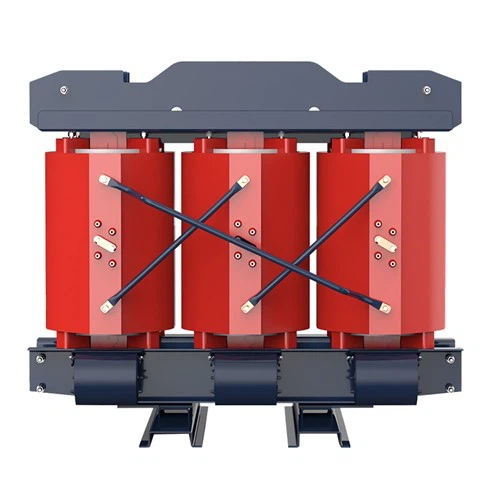
The load a crucial factor influencing the performance operation of oil immersed transformers. As a seasoned supplier of oil immersed transformers I've witnessed firsthand the profound impact that load variations can have on these essential electrical components. In this blog post, I'll delve into the intricate relationship between load and oil immersed transformers exploring how different load conditions affect their efficiency reliability and lifespan.
Understanding Load in the Context of Oil Immersed Transformers
Before we explore the effects of load on oil immersed transformers it's essential to understand what we mean by "load" in this context. In electrical systems the load refers to the amount of electrical power consumed by the connected devices or equipment. For an oil immersed transformer the load represents the amount of electrical power it must transfer from the primary winding to the secondary winding to meet the demand of the connected load.
Load can vary significantly depending on factors such as the time of day the type of industry or application and the overall electrical demand of the area. Transformers can experience different types of loads including:
- Constant Load: A constant load is a steady consistent demand for electrical power over an extended period. This type of load is common in applications such as industrial processes that require continuous operation.
- Variable Load: A variable load fluctuates over time often in response to changes in demand. This can be caused by factors such as seasonal variations daily usage patterns or the operation of large equipment.
- Peak Load: The peak load is the maximum amount of electrical power demanded by the connected devices or equipment at any given time. Transformers must be sized to handle the peak load to ensure reliable operation.
Effects of Load on Oil Immersed Transformers
Efficiency
The efficiency of an oil immersed transformer is a measure of how effectively it converts electrical energy from the primary winding to the secondary winding. It is expressed as a percentage and is calculated by dividing the output power by the input power and multiplying by 100.
The load has a significant impact on the efficiency of an oil immersed transformer. At low loads the transformer operates at a lower efficiency because a larger proportion of the input power is consumed by the transformer's core losses which are relatively constant regardless of the load. As the load increases the core losses become a smaller percentage of the total input power and the efficiency of the transformer improves. However if the load exceeds the transformer's rated capacity the efficiency begins to decline again due to increased copper losses which are proportional to the square of the load current.
To illustrate this point consider the following example. A 1000 kVA oil immersed transformer has a core loss of 2 kW and a full load copper loss of 10 kW. At 25% load the output power is 250 kVA and the input power is approximately 252 kW resulting in an efficiency of about 99.2%. At 50% load the output power is 500 kVA and the input power is approximately 505 kW resulting in an efficiency of about 99%. At full load the output power is 1000 kVA and the input power is approximately 1010 kW resulting in an efficiency of about 99%. As you can see the efficiency of the transformer is highest at around 50% to 70% of the rated load.
Temperature Rise
The temperature rise of an oil immersed transformer is another critical factor affected by the load. As the load increases the current flowing through the transformer's windings also increases which in turn generates more heat. If the heat generated by the transformer exceeds the rate at which it can be dissipated the temperature of the transformer will rise.


Excessive temperature rise can have several detrimental effects on the performance and lifespan of an oil immersed transformer. High temperatures can cause the insulation materials used in the transformer to degrade more quickly reducing their effectiveness and increasing the risk of electrical breakdown. Additionally high temperatures can cause the oil in the transformer to oxidize and form sludge which can clog the cooling channels and further reduce the transformer's ability to dissipate heat.
To prevent excessive temperature rise oil immersed transformers are typically equipped with cooling systems such as radiators or fans. These cooling systems help to dissipate the heat generated by the transformer and maintain its temperature within safe operating limits. However if the load on the transformer is too high even the most efficient cooling system may not be able to keep the temperature under control.
Voltage Regulation
Voltage regulation is a measure of how well an oil immersed transformer maintains a constant output voltage under varying load conditions. A transformer with good voltage regulation will provide a relatively stable output voltage regardless of changes in the load.
The load has a direct impact on the voltage regulation of an oil immersed transformer. As the load increases the voltage drop across the transformer's windings also increases which causes the output voltage to decrease. This is known as the voltage regulation drop. To compensate for this drop transformers are typically designed with a certain amount of voltage regulation built in.
The voltage regulation of an oil immersed transformer is typically expressed as a percentage and is calculated by dividing the voltage regulation drop by the rated output voltage and multiplying by 100. For example if a transformer has a rated output voltage of 480 V and a voltage regulation drop of 10 V the voltage regulation is 2.08%.
In general transformers with a lower voltage regulation provide a more stable output voltage and are better suited for applications that require a high degree of voltage stability such as sensitive electronic equipment. However transformers with a lower voltage regulation also tend to be more expensive and may have a lower efficiency.
Lifespan
The lifespan of an oil immersed transformer is influenced by many factors including the load. Excessive or fluctuating loads can significantly reduce the lifespan of a transformer by causing accelerated aging of the insulation materials and other components.
As mentioned earlier high temperatures caused by overloading can cause the insulation materials in the transformer to degrade more quickly. This degradation can lead to insulation breakdown which can result in short circuits and other electrical faults. Additionally excessive loads can cause mechanical stress on the transformer's components which can lead to premature failure.
To ensure a long lifespan for an oil immersed transformer it's important to operate it within its rated capacity and to avoid subjecting it to sudden or extreme load changes. Regular maintenance and monitoring can also help to detect and address any potential issues before they cause significant damage to the transformer.
Managing Load to Optimize Transformer Performance
As an oil immersed transformer supplier I understand the importance of managing the load to ensure optimal performance and reliability. Here are some tips for managing the load on your oil immersed transformers:
- Size the Transformer Correctly: One of the most important steps in managing the load on an oil immersed transformer is to size it correctly for the expected load. Oversizing a transformer can result in lower efficiency and higher costs while undersizing a transformer can lead to overloading and premature failure.
- Monitor the Load: Regularly monitoring the load on your oil immersed transformers can help you identify any potential issues and take corrective action before they cause significant damage. You can use a variety of monitoring tools such as ammeters wattmeters and power analyzers to measure the load and track its changes over time.
- Implement Load Management Strategies: Implementing load management strategies such as load shedding or peak shaving can help you reduce the peak load on your oil immersed transformers and improve their efficiency. Load shedding involves temporarily reducing the load on certain non-essential devices or equipment during periods of high demand while peak shaving involves using energy storage systems or other means to reduce the peak load on the transformer.
- Use Energy-Efficient Equipment: Using energy-efficient equipment with lower power consumption can help you reduce the overall load on your oil immersed transformers and improve their efficiency. This can include using LED lighting high-efficiency motors and other energy-efficient appliances.
Conclusion
In conclusion the load has a profound impact on the performance operation and lifespan of oil immersed transformers. By understanding how different load conditions affect these essential electrical components you can take steps to optimize their performance and ensure their reliability. As an oil immersed transformer supplier I'm committed to providing high-quality transformers and expert advice to help you manage the load on your electrical systems effectively.
If you're looking for a reliable oil immersed transformer supplier or need more information about how to manage the load on your transformers I encourage you to [contact me]([contact page link]). I'd be happy to discuss your specific needs and provide you with customized solutions that meet your requirements.
In addition to oil immersed transformers we also offer a wide range of other transformer products including 35KV Dry Type Power Transformer and 10 - 35KV Dry Type Distribution Transformer. These dry type transformers offer several advantages over oil immersed transformers including enhanced safety reduced maintenance requirements and improved environmental performance. If you're interested in learning more about our dry type transformer products please don't hesitate to get in touch.
References
- Electric Power Systems by J. Duncan Glover Mulukutla S. Sarma and Thomas J. Overbye.
- Transformers Principles and Applications by J. R. Lucas.
- Transformer Engineering Design and Practice by Isidor K. Dommel.