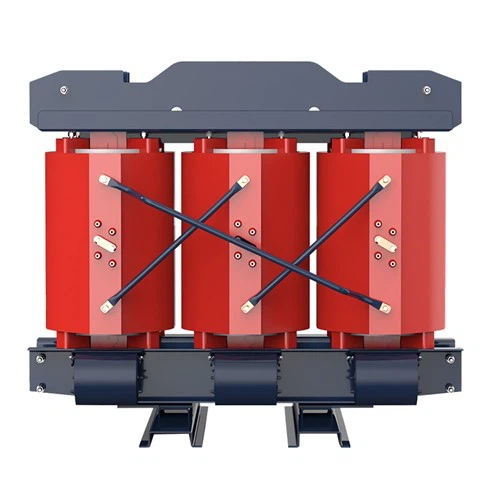
As a supplier of compact substations, I often encounter various inquiries from clients regarding the installation locations and feasibility of our products. One question that has been coming up quite frequently is whether a compact substation can be installed on a rooftop. In this blog post, I will delve into this topic, exploring the technical aspects, advantages, challenges, and considerations associated with rooftop installation of compact substations.
Technical Feasibility
Structural Integrity
The first and foremost consideration when contemplating rooftop installation of a compact substation is the structural integrity of the building. Rooftops are designed to support a certain load, and adding the weight of a compact substation can significantly increase the load on the structure. Therefore, a thorough structural analysis by a qualified engineer is essential. The engineer will assess the rooftop's load - bearing capacity, taking into account the weight of the substation, its equipment, and any additional factors such as wind and seismic loads.
Most modern compact substations are designed to be relatively lightweight compared to traditional substations. They are often pre - fabricated and modular, which allows for a more efficient distribution of weight. However, even with their relatively light weight, the rooftop must still be able to support the additional load without compromising its stability.


Electrical Connectivity
Another crucial aspect is electrical connectivity. The substation needs to be connected to the power grid, which may require running cables from the rooftop to the ground or other appropriate connection points. This process should be carried out in compliance with electrical codes and standards. The cables should be properly insulated and protected to prevent any electrical hazards.
In addition, the rooftop location may expose the substation to environmental factors such as sunlight, rain, and wind. Special attention should be paid to the protection of electrical components from these elements. For example, the substation should be equipped with proper weatherproof enclosures to ensure the safety and reliability of the electrical equipment.
Accessibility for Maintenance
Maintenance is an important part of ensuring the long - term performance of a compact substation. When installed on a rooftop, access to the substation for maintenance personnel can be a challenge. There should be a safe and convenient way for technicians to reach the substation. This may involve installing ladders, stairways, or other access equipment. Moreover, the rooftop should have enough space for maintenance activities, such as the removal and replacement of components.
Advantages of Rooftop Installation
Space Utilization
One of the main advantages of installing a compact substation on a rooftop is space utilization. In urban areas, land is often scarce and expensive. By using the rooftop space, the substation can be installed without taking up valuable ground - level space. This is particularly beneficial for commercial buildings, industrial complexes, and high - rise buildings where space is at a premium.
Reduced Noise Impact
Compact substations installed on rooftops can also reduce the noise impact on the surrounding environment. The distance between the substation and the ground - level areas can help to attenuate the noise generated by the electrical equipment. This is especially important in areas where noise pollution is a concern, such as residential neighborhoods or hospitals.
Integration with Renewable Energy Sources
Rooftop installation of compact substations can be well - integrated with renewable energy sources, such as solar panels. Solar Power Compact Substation can be directly connected to the rooftop solar panels, allowing for a more efficient use of renewable energy. This integration can contribute to the reduction of carbon emissions and the promotion of sustainable energy use.
Challenges and Considerations
Environmental Exposure
As mentioned earlier, rooftops are exposed to various environmental factors. Extreme temperatures, UV radiation, and precipitation can have a negative impact on the substation's components. For example, high temperatures can cause the electrical equipment to overheat, while UV radiation can degrade the insulation materials. Therefore, the substation should be designed with appropriate environmental protection measures, such as heat - resistant coatings and UV - resistant enclosures.
Fire Safety
Fire safety is another critical consideration. The rooftop location may pose challenges in terms of fire suppression and evacuation. In case of a fire in the substation, it may be more difficult to access the rooftop for firefighting operations. Therefore, the substation should be equipped with fire - prevention and suppression systems, such as fire - resistant enclosures and automatic sprinklers.
Regulatory Compliance
Installing a compact substation on a rooftop requires compliance with various regulations and codes. These may include building codes, electrical codes, and environmental regulations. It is essential to work closely with local authorities and regulatory bodies to ensure that all requirements are met. Failure to comply with these regulations can result in fines, delays, or even the shutdown of the substation.
Our Compact Substation Solutions
At our company, we offer a range of Containerized Prefabricated Substation that are suitable for rooftop installation. Our substations are designed with high - quality materials and advanced technology to ensure their reliability and durability in various environmental conditions.
We have a team of experienced engineers who can conduct a detailed feasibility study for rooftop installation. They will assess the structural integrity of the building, design the electrical system, and ensure compliance with all relevant regulations. Our substations are also equipped with advanced monitoring and control systems, which allow for remote monitoring and maintenance, reducing the need for frequent on - site visits.
Conclusion
In conclusion, while installing a compact substation on a rooftop presents some challenges, it is technically feasible and offers several advantages. With proper planning, design, and implementation, rooftop installation can be a viable solution for many applications, especially in urban areas where space is limited.
If you are considering installing a compact substation on your rooftop or have any questions about our products and services, we encourage you to contact us for a detailed consultation. Our team of experts is ready to assist you in making the right decision for your power distribution needs.
References
- Electrical Safety Standards Handbook
- Building Structural Design Guidelines
- Renewable Energy Integration Best Practices