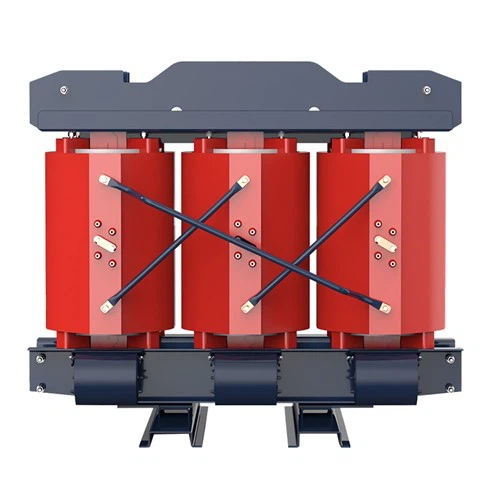
A compact substation is a crucial component in the electrical power distribution network, designed to step down high - voltage electricity to a lower, usable voltage for consumers. One of the most critical scenarios that a compact substation must handle is a short - circuit. As a leading supplier of compact substations, we have in - depth knowledge of how these systems respond to and manage short - circuits.
Understanding Short - Circuits
A short - circuit occurs when there is an abnormal low - resistance connection between two points in an electrical circuit, usually between phases or between a phase and the ground. This results in a sudden and significant increase in current flow, far beyond the normal operating levels. Short - circuits can be caused by various factors, such as insulation failure, equipment damage, or human error.
The excessive current during a short - circuit can cause severe damage to electrical equipment, including transformers, switchgear, and cables. It can also lead to power outages, which disrupt normal operations and can have economic consequences. Therefore, a compact substation must be equipped with effective protection mechanisms to handle short - circuits safely and efficiently.
Protection Devices in Compact Substations
Circuit Breakers
Circuit breakers are the primary protection devices in a compact substation. They are designed to detect abnormal current levels and quickly interrupt the circuit when a short - circuit occurs. There are different types of circuit breakers used in compact substations, such as air - circuit breakers, vacuum circuit breakers, and SF6 circuit breakers.
Vacuum circuit breakers are widely used in compact substations due to their high reliability, long service life, and low maintenance requirements. They use a vacuum as the arc - quenching medium. When a short - circuit is detected, the contacts of the circuit breaker separate, and an arc is formed. The vacuum quickly extinguishes the arc, interrupting the current flow.
SF6 circuit breakers, on the other hand, use sulfur hexafluoride gas as the arc - quenching medium. SF6 gas has excellent insulating and arc - quenching properties, making these circuit breakers suitable for high - voltage applications. They can interrupt large short - circuit currents quickly and effectively.
Fuses
Fuses are another important protection device in compact substations. A fuse consists of a thin wire or strip of metal that melts when excessive current flows through it, thereby interrupting the circuit. Fuses are simple, reliable, and cost - effective protection devices. They are often used in low - voltage circuits and as backup protection for circuit breakers.
In a compact substation, fuses can be used to protect transformers, capacitors, and other electrical equipment. For example, a high - voltage fuse can be installed on the primary side of a transformer to protect it from short - circuits. When a short - circuit occurs, the fuse blows, isolating the transformer from the faulty circuit.
Relay Protection Systems
Relay protection systems play a vital role in detecting and responding to short - circuits in compact substations. These systems use relays to monitor electrical parameters such as current, voltage, and power. When a short - circuit is detected, the relays send signals to the circuit breakers to trip and interrupt the circuit.
There are different types of relays used in relay protection systems, such as over - current relays, over - voltage relays, and differential relays. Over - current relays detect abnormal increases in current and send a trip signal to the circuit breaker when the current exceeds a pre - set threshold. Differential relays compare the current entering and leaving a protected equipment, such as a transformer. If there is a significant difference between the two currents, it indicates a short - circuit inside the equipment, and the relay sends a trip signal.
Transformer Protection during Short - Circuits
Transformers are the heart of a compact substation, and protecting them during short - circuits is of utmost importance. A short - circuit can cause excessive heating and mechanical stress on the transformer windings, which can lead to insulation damage and ultimately, transformer failure.
Over - current Protection
As mentioned earlier, over - current relays are used to protect transformers from short - circuits. These relays monitor the current flowing through the transformer and trip the circuit breaker if the current exceeds a safe level. The setting of the over - current relay is carefully calibrated based on the transformer's rated current and short - circuit withstand capacity.
Differential Protection
Differential protection is a more sensitive and selective protection method for transformers. It compares the current entering and leaving the transformer. Under normal operating conditions, the sum of the currents entering and leaving the transformer is zero. However, during a short - circuit inside the transformer, there will be a difference in the currents, and the differential relay will send a trip signal to the circuit breaker.
Temperature Monitoring
In addition to electrical protection, temperature monitoring is also crucial for transformer protection during short - circuits. Excessive current during a short - circuit can cause the transformer temperature to rise rapidly. Temperature sensors are installed inside the transformer to monitor the temperature of the windings and the oil. If the temperature exceeds a safe limit, an alarm can be issued, and the circuit breaker can be tripped to prevent further damage.
Switchgear and Cable Protection
Switchgear Protection
Switchgear in a compact substation consists of circuit breakers, disconnect switches, and other control and protection devices. During a short - circuit, the switchgear must be able to withstand the mechanical and thermal stresses caused by the high - current flow.
The circuit breakers in the switchgear are designed to interrupt the short - circuit current quickly. The disconnect switches are used to isolate the faulty section of the circuit for maintenance and repair. The switchgear is also equipped with protection relays to detect and respond to short - circuits.
Cable Protection
Cables are used to transmit electrical power within a compact substation. Short - circuits can cause damage to cables, such as insulation breakdown and conductor melting. To protect cables, over - current protection devices are used. Fuses or over - current relays can be installed at the cable terminals to detect and interrupt the circuit in case of a short - circuit.


In addition, cable insulation monitoring systems can be used to detect early signs of insulation degradation. These systems monitor the insulation resistance of the cables and send an alarm if the resistance drops below a certain level, indicating potential insulation damage.
Grounding and Earthing Systems
Grounding and earthing systems are essential for the safe operation of a compact substation during short - circuits. A proper grounding system provides a low - resistance path for the fault current to flow into the ground, reducing the risk of electrical shock and equipment damage.
Function of Grounding
During a short - circuit, the fault current flows through the grounding system to the ground. This helps to stabilize the voltage levels in the substation and protects the electrical equipment from over - voltage. The grounding system also provides a reference point for the electrical system, ensuring the proper operation of the protection devices.
Design and Installation of Grounding Systems
The design and installation of the grounding system in a compact substation must comply with relevant standards and regulations. The grounding electrodes, such as ground rods and ground grids, are installed in the soil around the substation. The resistance of the grounding system must be kept as low as possible to ensure effective fault current dissipation.
Testing and Maintenance
Regular testing and maintenance are crucial to ensure that a compact substation can handle short - circuits effectively.
Testing
Periodic testing of the protection devices, such as circuit breakers, fuses, and relays, is necessary to ensure their proper operation. Circuit breakers should be tested for their contact resistance, insulation resistance, and tripping time. Fuses should be checked for their continuity and rated current. Relay protection systems should be tested to verify their accuracy and reliability.
Maintenance
Maintenance activities include cleaning, lubrication, and inspection of the electrical equipment. The insulation of cables and transformers should be inspected regularly for signs of damage. The grounding system should also be checked for its integrity and resistance.
Conclusion
In conclusion, a compact substation is equipped with a comprehensive set of protection mechanisms to handle short - circuits safely and efficiently. From circuit breakers and fuses to relay protection systems and transformer protection methods, every component plays a crucial role in ensuring the reliable operation of the substation during short - circuits.
As a leading supplier of compact substations, we offer high - quality Containerized Prefabricated Substation and Solar Power Compact Substation solutions that are designed to meet the highest standards of safety and performance. Our compact substations are equipped with the latest protection technologies to handle short - circuits effectively and protect your electrical equipment.
If you are interested in our compact substation products or have any questions about how they handle short - circuits, please feel free to contact us for a detailed discussion and procurement negotiation.
References
- Electrical Power Systems Protection, by M. A. P. Van Cutsem and C. Vournas
- Power System Analysis and Design, by J. Duncan Glover, Mulukutla S. Sarma, and Thomas J. Overbye
- IEEE Standards for Power System Protection and Control