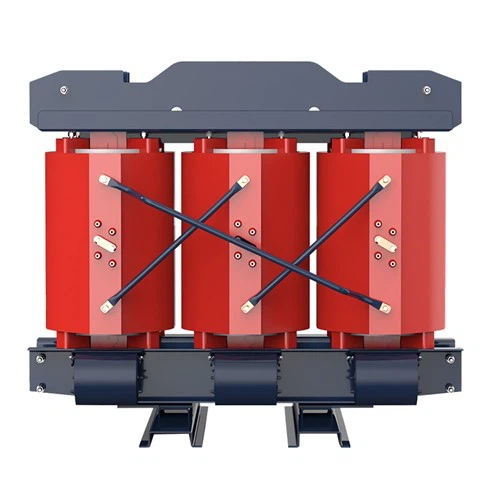
Hey there! As a supplier of low voltage bus ducts, I often get asked about the grounding requirements for these essential electrical components. Grounding is a crucial aspect of electrical systems, and it's no different when it comes to low voltage bus ducts. In this blog post, I'll break down what you need to know about grounding requirements for low voltage bus ducts.
First off, let's talk about why grounding is so important. Grounding serves as a safety measure that protects both people and equipment from electrical hazards. In the event of a fault or short - circuit, a proper grounding system provides a path of least resistance for the electrical current to flow safely into the earth. This helps prevent electrical shocks, reduces the risk of fires, and ensures the reliable operation of the electrical system.
For low voltage bus ducts, grounding requirements are mainly governed by electrical codes and standards. In many regions, the National Electrical Code (NEC) in the United States or equivalent local codes are the go - to references. These codes specify the minimum requirements for grounding to ensure safety and proper functioning of electrical installations.
One of the key requirements is the connection of the bus duct enclosure to the grounding system. The enclosure of the low voltage bus duct should be effectively grounded. This is typically done by using a grounding conductor, which is a wire or cable that connects the enclosure to the grounding electrode system. The grounding conductor should have sufficient ampacity to carry the fault current without overheating.
The size of the grounding conductor depends on several factors, including the rating of the bus duct and the available fault current. Generally, a larger bus duct with a higher current - carrying capacity will require a larger grounding conductor. Electrical engineers use calculations based on the electrical system's characteristics to determine the appropriate size of the grounding conductor.
Another important aspect is the continuity of the grounding path. The grounding connection should be continuous along the entire length of the bus duct. This means that all sections of the bus duct, including joints and connections, should be properly bonded together to ensure a low - resistance grounding path. Poorly bonded joints can increase the resistance of the grounding path, which may lead to ineffective grounding and potential safety hazards.


In addition to the enclosure grounding, the neutral conductor in the low voltage bus duct also needs to be properly grounded. The neutral conductor is an important part of the electrical circuit, and grounding it helps stabilize the voltage and protect against electrical faults. The neutral grounding should comply with the relevant electrical codes, which may specify the method of grounding, such as solid grounding or resistance grounding.
When it comes to installation, proper installation practices are essential for meeting the grounding requirements. During installation, the bus duct should be installed in a way that allows easy access for inspection and maintenance of the grounding system. The grounding connections should be tightened securely to ensure good electrical contact. Any loose connections can lead to increased resistance and potential problems in the grounding system.
Now, let's take a look at some specific types of low voltage bus ducts and their grounding considerations. For example, the IP68 Outdoor Cast Resin Bus Duct is designed for outdoor use. Since it is exposed to the elements, the grounding system needs to be more robust to withstand environmental factors such as moisture and corrosion. Special attention should be paid to the protection of the grounding conductors and connections to prevent damage.
On the other hand, the Low Voltage Sandwich Bus Duct has its own unique grounding requirements. The sandwich construction of this type of bus duct may require specific grounding methods to ensure proper electrical performance and safety. The layers of the sandwich bus duct need to be properly grounded to prevent electrical interference and ensure a stable electrical supply.
Regular inspection and testing of the grounding system are also crucial. Over time, the grounding system may deteriorate due to factors such as corrosion, mechanical damage, or loosening of connections. Periodic inspections can help identify any potential problems early on, and testing can verify the effectiveness of the grounding system. Electrical testing equipment can be used to measure the resistance of the grounding path and ensure that it meets the required standards.
In summary, the grounding requirements for low voltage bus ducts are complex and multifaceted. They involve proper connection of the enclosure, neutral conductor, and ensuring the continuity and effectiveness of the grounding path. Different types of bus ducts may have specific grounding considerations based on their design and application.
If you're in the market for low voltage bus ducts and want to ensure that you're getting a product that meets all the necessary grounding requirements, I'd love to have a chat with you. Whether you have questions about the grounding system, need help with installation, or are ready to place an order, feel free to reach out. I'm here to provide you with the best solutions for your electrical needs.
References
- National Electrical Code (NEC)
- Local electrical installation standards and regulations