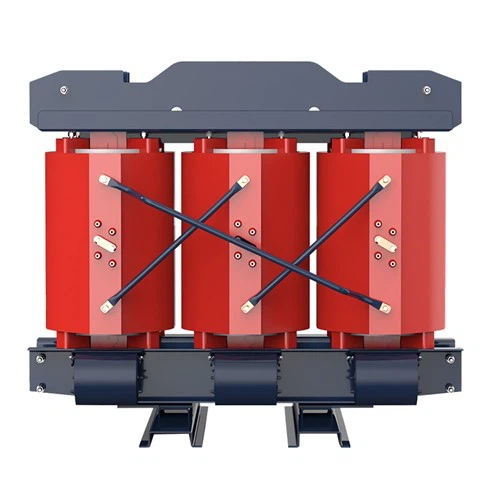
What is the Rated Current of Cast Resin Bus Duct?
As a supplier of cast resin bus ducts, I often encounter inquiries from customers about the rated current of these products. Understanding the rated current is crucial for anyone involved in electrical systems, whether you're an engineer designing a new installation, an electrician responsible for maintenance, or a facility manager looking to upgrade your electrical infrastructure. In this blog post, I'll delve into the concept of rated current, its significance in cast resin bus ducts, and how it impacts your electrical system.
Understanding Rated Current
The rated current of a cast resin bus duct is the maximum continuous current that the bus duct can carry under specified conditions without exceeding its temperature rise limits. This value is determined through rigorous testing and is typically specified by the manufacturer. The rated current is a critical parameter because it directly affects the performance and safety of the electrical system.
When a bus duct operates at or below its rated current, it can efficiently transfer electrical power from the source to the load. However, if the current exceeds the rated value, the bus duct may overheat, leading to insulation degradation, reduced lifespan, and even potential safety hazards such as electrical fires. Therefore, it's essential to select a bus duct with a rated current that matches the requirements of your electrical system.
Factors Affecting Rated Current
Several factors influence the rated current of a cast resin bus duct. These include:
- Conductor Material and Size: The type and cross-sectional area of the conductors used in the bus duct play a significant role in determining its rated current. Copper and aluminum are the most commonly used conductor materials, with copper offering higher conductivity and better current-carrying capacity. Larger conductor sizes can also handle higher currents.
- Insulation Material and Thickness: The insulation material used in the bus duct helps to prevent electrical leakage and maintain the integrity of the electrical system. The thickness and quality of the insulation can affect the rated current by influencing the heat dissipation properties of the bus duct.
- Ambient Temperature: The temperature of the surrounding environment can impact the rated current of the bus duct. Higher ambient temperatures can reduce the current-carrying capacity of the bus duct, as the heat generated by the current flow has less room to dissipate.
- Installation Conditions: The way the bus duct is installed, including factors such as ventilation, mounting orientation, and the presence of other heat-generating equipment, can also affect its rated current. Proper installation is crucial to ensure optimal performance and safety.
Importance of Correctly Sizing the Rated Current
Selecting a cast resin bus duct with the correct rated current is essential for several reasons:
- Safety: Operating a bus duct at a current higher than its rated value can pose a significant safety risk. Overheating can lead to insulation breakdown, short circuits, and electrical fires, endangering both personnel and property.
- Reliability: A properly sized bus duct can ensure reliable power distribution, minimizing the risk of downtime due to electrical failures. This is particularly important in critical applications such as hospitals, data centers, and industrial facilities.
- Efficiency: Using a bus duct with the appropriate rated current can improve the efficiency of your electrical system. By minimizing energy losses due to overheating, you can reduce your energy consumption and lower your operating costs.
How to Determine the Rated Current for Your Application
To determine the rated current required for your specific application, you'll need to consider the following steps:
- Calculate the Load Current: Start by calculating the total current demand of all the electrical equipment that will be connected to the bus duct. This includes motors, lighting fixtures, HVAC systems, and any other electrical loads.
- Account for Future Expansion: It's important to consider any potential future expansion of your electrical system when selecting the rated current of the bus duct. This will help to ensure that the bus duct can accommodate additional loads without the need for costly upgrades.
- Consult the Manufacturer: Once you have determined the load current and accounted for future expansion, consult the manufacturer's specifications to select a bus duct with a rated current that meets or exceeds your requirements. The manufacturer can also provide guidance on installation, maintenance, and other important considerations.
Our Cast Resin Bus Duct Offerings
At our company, we offer a wide range of cast resin bus ducts with different rated currents to meet the diverse needs of our customers. Our IP68 Outdoor Cast Resin Bus Duct is designed for outdoor applications, providing excellent protection against dust, water, and other environmental factors. With a high IP rating, this bus duct is suitable for use in harsh conditions where reliability and durability are essential.
We also offer Low Voltage Sandwich Bus Duct for indoor applications. This type of bus duct features a compact design and excellent electrical performance, making it ideal for use in commercial buildings, industrial facilities, and other low-voltage applications.


Conclusion
The rated current of a cast resin bus duct is a critical parameter that directly affects the performance, safety, and reliability of your electrical system. By understanding the factors that influence the rated current and selecting a bus duct with the appropriate rating for your application, you can ensure efficient and reliable power distribution. If you have any questions or need assistance in selecting the right cast resin bus duct for your project, please don't hesitate to contact us. Our team of experts is here to help you make the best decision for your electrical system.
References
- Electrical Installation Guide, International Electrotechnical Commission (IEC)
- National Electrical Code (NEC), National Fire Protection Association (NFPA)
- Busway Systems: A Guide to Selection, Installation, and Maintenance, Underwriters Laboratories (UL)